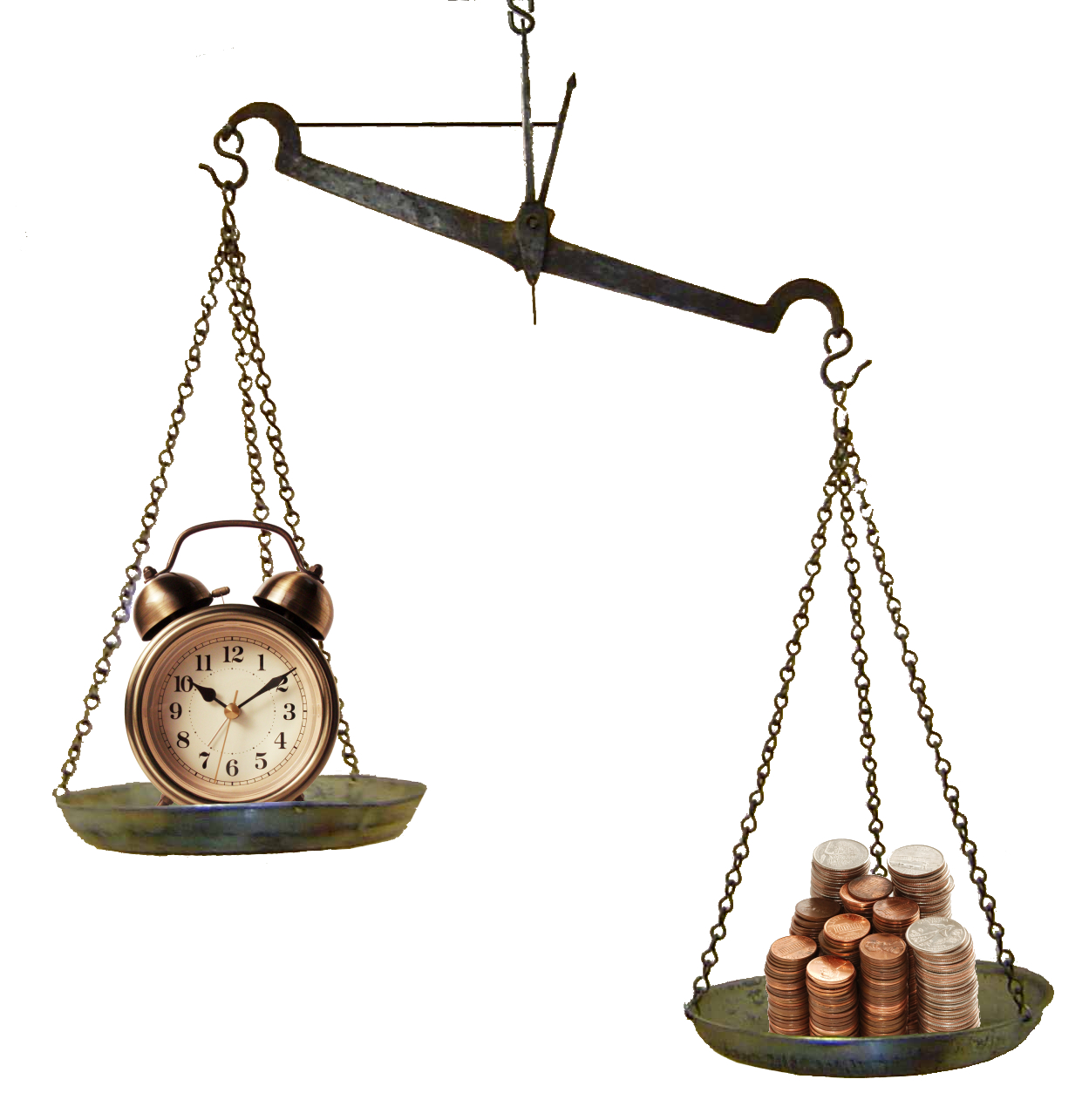
You negotiated hard. You got a $6,000 raise — from $99,000 to $105,000. Then your first new paycheque landed and… it felt like almost nothing changed. You are not imagining it, and you are not being cheated. Welcome to marginal tax.
The real numbers (Ontario, 2025)
- At $99,000: take-home ≈ $71,875
- At $105,000: take-home ≈ $75,986
- Raise on paper: $6,000
- Extra money you actually keep: ≈ $4,111
So about $1,889 of your $6,000 raise — roughly 31% — vanishes into federal and provincial tax (including Ontario’s surtax) before it ever reaches you. Split across 26 pay periods, that “huge” raise adds about $158 per cheque. No wonder it feels invisible.
Why this happens: marginal vs. average tax
You are not taxed at one rate on your whole income. You are taxed in layers (brackets), and only the top slice — the new $6,000 — is taxed at your marginal rate, around 31% here. Your average rate across all your income is much lower (about 22% at this level).
The myth this kills
“I don’t want a raise — it’ll push me into a higher bracket and I’ll take home less.” This is false. Only the dollars above each threshold are taxed at the higher rate, so a raise always leaves you with more money. Model your own raise with the take-home calculator.
Because the top slice is taxed most heavily, the most tax-efficient move is often to divert part of a raise into an RRSP, which reduces taxable income dollar-for-dollar at that high marginal rate — the calculator lets you add an RRSP contribution and see the effect.